







Wood, Composite, or PVC Deck: Which Decking Type Is Best for Michigan Homes?
May 08, 2026 | By Pat Ward
Choosing the wrong decking material doesn’t just affect how your deck looks; it impacts how much you spend, how much maintenance you deal with, and how long it lasts in Michigan’s climate.
So how do you know whether wood, composite, or PVC is actually the right choice?
Since 2013, C&L Ward has completed over 2,250 decking projects. We’ve helped countless clients answer the same questions you’re asking today. We offer composite and PVC decks, and are happy to discuss why either of these options—or even wood—could be the right choice for you.
This article is simply a breakdown of materials to answer common questions and weigh the pros and cons of wood, composite, and PVC decks. It is not a comparison of brands, installation experiences, or providers.
Whether you have an existing deck or currently have no deck at all, your installer should help you find the best fit—but first, you need to understand what that looks like.
Table of Contents
What Different Decking Materials are There?
If you have an older home, you may have a wood deck. If you’re looking to replace a deck, you may have heard of a newer “composite” material. While both wood and composite decks are common in Michigan, composite is becoming a more popular alternative to wood.
Wood decks, as the name implies, are made of wood. The exact material may vary, but these decks are often made from pressure-treated pine.
Composite, on the other hand, is a blend of many materials. Our composite decking combines wood flour with recycled plastics and is designed to mimic the texture of real wood.
PVC decking, also as the name implies, is made from Polyvinyl chloride (PVC) plastic. This material is light yet durable, and can also mimic the look of real wood.
Each material may look similar at a glance, but they perform very differently over time, especially in Michigan’s climate.
What Do New Wood, Composite, or PVC Decks Cost?
- Wood:
- A wood deck costs about $80 per square foot, or $8,000 for a 100-square-foot deck.
- Composite:
- Quality composite decks cost about $200 per square foot, or $20,000 for a 100-square-foot deck.
- PVC:
- Quality PVC decks cost about $260 per square foot, or $26,000 for a 100-square-foot deck.
Wood is often the lowest upfront cost, composite sits in the middle, and PVC is the highest investment. Exact prices may vary depending on the manufacturer and installer of each product.
What Type Of Maintenance Is Required for Each Type of Decking Material?
- Wood:
- Wood decks need to be resealed every two years. This bi-annual process involves sanding, staining, and resealing your deck. It may be a DIY project or handled by a professional for a fee.
- Wood decks may occasionally need to be swept or washed with water and a mild soap.
- Composite:
- Composite decks do not require resealing. They may occasionally need to be swept or washed with water and a mild soap.
- PVC:
- PVC decks do not require resealing. They may occasionally need to be swept or washed with water and a mild soap.
What’s The Lifespan Of Each Deck Material in Cold Climates?
- Wood:
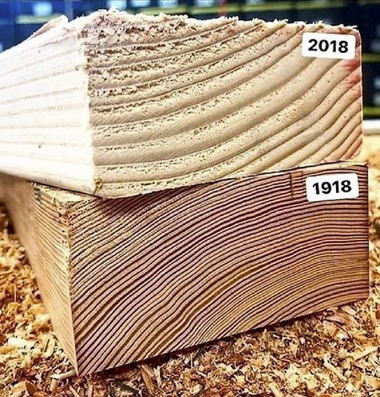
- With Michigan’s freeze-thaw cycle, wood decks may last as little as 10 or as long as 30 years. Modern wood boards, even when pressure-treated, don’t last as long as older wood. This is in part because older wood boards were grown more slowly and often treated with arsenic. [1] While effective, this carcinogen is no longer applied to boards today. In addition, wood is usually grown more quickly today to keep up with demand, resulting in a softer board.
- Composite:
- Composite boards do well in cold and variable climates, as they do not undergo the freeze-thaw cycle. If a composite deck is framed well, it can easily last 25 to 50 years or more.
- PVC:
- PVC also performs well in cold and variable climates because it does not undergo a freeze-thaw cycle as the seasons change. It will not warp or become brittle, and can last 30 to 50 years or longer.
Common Myths about Wood, Composite, or PVC Decks
There are several common misconceptions that can lead homeowners to choose the wrong material.
- Myth: “Wood decks require too much maintenance.”
- Fact: Wood decks do require more maintenance than composite or PVC decks. However, if you are able and willing to take the steps needed to care for your wood deck and pay the cost of staining, it may be the choice for you.
- Myth: “Wood decks are not eco-friendly.”
- Fact: Wood decks can be eco-friendly. It depends, though, on the manufacturer of the deck and source of the lumber. Are trees being harvested at a renewable rate? Are new trees, or multiple new trees, being planted in lieu of each tree cut down? Don’t assume a wood deck is or isn’t an environmental choice without first conducting some research on the product.
- Myth: “Composite decks get hot,” or “Composite decks are hotter than wood decks.”
- Fact: Composite decks can get hot. A quality composite deck, such as Fiberon, will have reflectors inside the boards to help deflect heat and keep your deck cool to the touch for paws and bare feet alike.

- Myth: “Composite decks aren’t eco-friendly.”
- Fact: Composite decks can be eco-friendly, as they often use recycled materials and don’t require cutting down new trees. The lower maintenance of a composite deck also means fewer particles (no sanding) or chemicals (no staining) released into the environment and atmosphere. Plus, these decks can be recycled again at the end of their lifespan, which reduces resource consumption!
- Myth: “PVC decks are ruined once scratched.”
- Fact: A scratch can be frustrating! But it takes a lot of pressure and/or force to scratch a PVC deck. While repairs can be difficult, they are possible with professional help. Often, damaged material can be melted and shaped back into place.
- Myth: “PVC decks are bad for the environment.”
- Fact: Like composite decks, PVC decks can be eco-friendly if made from recycled materials and by a responsible manufacturer. As with wood decks, don’t assume that a deck is or isn’t an environmental choice without first conducting some research on the product.
What Are the Potential Drawbacks of Wood, Composite, and PVC Decks?
Each material comes with potential drawbacks. This doesn’t mean that a material is “bad,” it simply means that a certain material might not be the right pick for your circumstance based on your unique project, goals, and specific needs.
- Wood:
- Wood decks require more effort to maintain, especially if you want them to have a longer lifespan. As they freeze and thaw, wood boards may also rot or warp and need to be replaced more frequently.
- Composite:
- Composite decks have a higher upfront cost than wood decks. While composite boards are available in a variety of colors, certain boards may look or feel less natural than wood, which may matter if you have a strong aesthetic preference.
- PVC:
- PVC decks have a higher initial cost than wood or composite boards. Like composite, certain PVC boards may look or feel less natural than wood. PVC deck boards can also be slippery when wet if not engineered to be slip-resistant, though sprinkling sand on the deck can provide additional help in snowy or icy weather.
When Is a Decking Material the Wrong Fit for Your Home?
- Wood:
- Has your yard ever flooded? If your deck is in an area prone to a lot of water, a wood deck is not the choice for you. Too much water will damage your deck and require you to replace (not repair) it much sooner.
- Composite:
- If you are looking for a more cost-effective option and only need a deck for a short period of time (perhaps you are renting or planning to move to a forever home), composite may not be the best choice for you. Instead, a wood deck may be more worthwhile in the short term.
- PVC:
- If you live in an area with hot summers, your deck is uncovered, and your deck will receive direct sunlight for most of the day, you may want to avoid a PVC deck. If you do choose to use PVC in these conditions, be sure to get boards with reflectors and consider opting for lighter colors that will absorb less heat.
When Are Wood, Composite, or PVC Decks a Great Fit For You?
- If you want the lowest upfront cost → Wood:
- If you rent or are in a home that you don’t plan to stay in much longer (fewer than 10 years), a wood deck may be best for you. While wood decks require a little more maintenance, this extra effort is only required once every two years. With a lower upfront cost, a wood deck makes for a good short-term solution.
- If you want low maintenance and long-term value → Composite:
- If you are in your forever home or a place you plan to stay for a while, a composite deck is great. Composite decks require less maintenance, resist water damage, are more durable, and last longer than wood.
- If you want maximum durability and longevity → PVC:
- If you are in a home you expect to stay in for decades to come, a PVC deck is an excellent choice. PVC is durable and low-maintenance. It will also not grow mold or mildew, making it perfect for yards prone to flooding or heavy water.
Quick Comparison Chart: Wood vs. Composite vs. PVC Decks

Research Price and What Drives Decking Materials Costs
The best decking material isn’t the most expensive or the most popular; it’s the one that fits your budget, your lifestyle, and your home’s conditions.
Now that you’ve compared the pros and cons of wood, composite, and PVC decks, you’re one step closer to making a confident, informed decision.
Before comparing brands or contacting a provider, take a moment to assess what matters most to you—cost, appearance, durability, or upkeep. Then, take a look at our article, “How Much Do New Decks Cost in Michigan for 2026?” if you’d like to learn more about pricing and what drives materials costs.