





What does it really cost to replace siding in Michigan, and what factors determine the total cost of a project? From materials to the size and complexity of your home, several factors influence the final cost.
By analyzing siding materials best suited for southeastern Michigan’s climate, we at C&L Ward aim to help you answer common homeowner questions. With over 50 years of experience, our guide reflects real-world pricing and practical insight.
Table of Contents
What Does The Average Siding Project Cost in Michigan?
The cost of a siding project will vary depending on the material used. Vinyl siding tends to be the least expensive, averaging $4 to $24 per square foot. As an example, for a 2,000 square foot home, this comes out to about $28,000 total or $14/sq foot.
Cedar and metal siding tend to be the most expensive, averaging from $10 or $16 up to $30 per square foot. This would come out to about $37,300 total for a 2,000 square foot home at $18.67/sq foot.
What Affects The Cost of Siding Installation?
Material
The material you choose will largely influence your project cost. Roofing materials are typically priced by the square foot. Vinyl options are usually the least expensive, followed by composite blends, with woods being the most costly.
Your Roof
If your roof has a more intricate shape, a siding installation project may cost more. Peaks and dormers can add extra square footage, and the siding used here must be cut at an angle, rather than a straight edge.
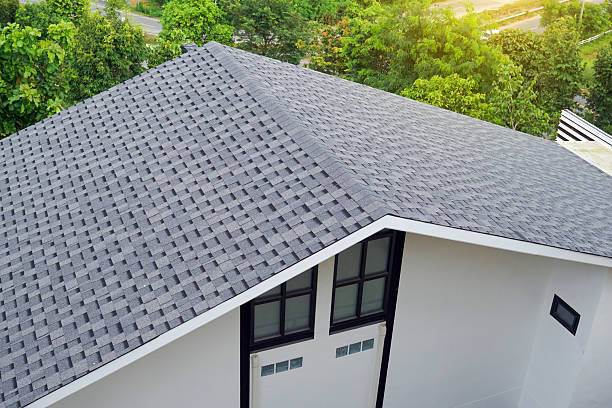

A peak is a roof that rises up to a point. Unless you have a flat roof, your home likely has at least one peak.
A dormer is a small, often windowed, portion of your house that extrudes outward through the roof. |
Home Size
The larger your home, the more surface area there is to cover with siding. Siding is measured (and priced) in square footage. Smaller homes (measuring around 1,000 to 1,750 square feet) require less material than larger homes (measuring over 2,500 square feet).
Number of Stories
The more stories your home has, or if you have a walk-out basement, the more the siding installation will cost. This is because (1) there is more surface area to cover, (2) more or taller scaffolding will be required to complete the installation, and (3) more labor will be needed to cover the additional space.
Existing Siding Type
Your existing siding will affect how your new siding can be installed. This also impacts the price. If the new siding can be applied over your existing siding, there may not be any additional charges. If your current siding needs to be removed and disposed of, there will be a cost for the extra labor and time.
Custom Upgrades
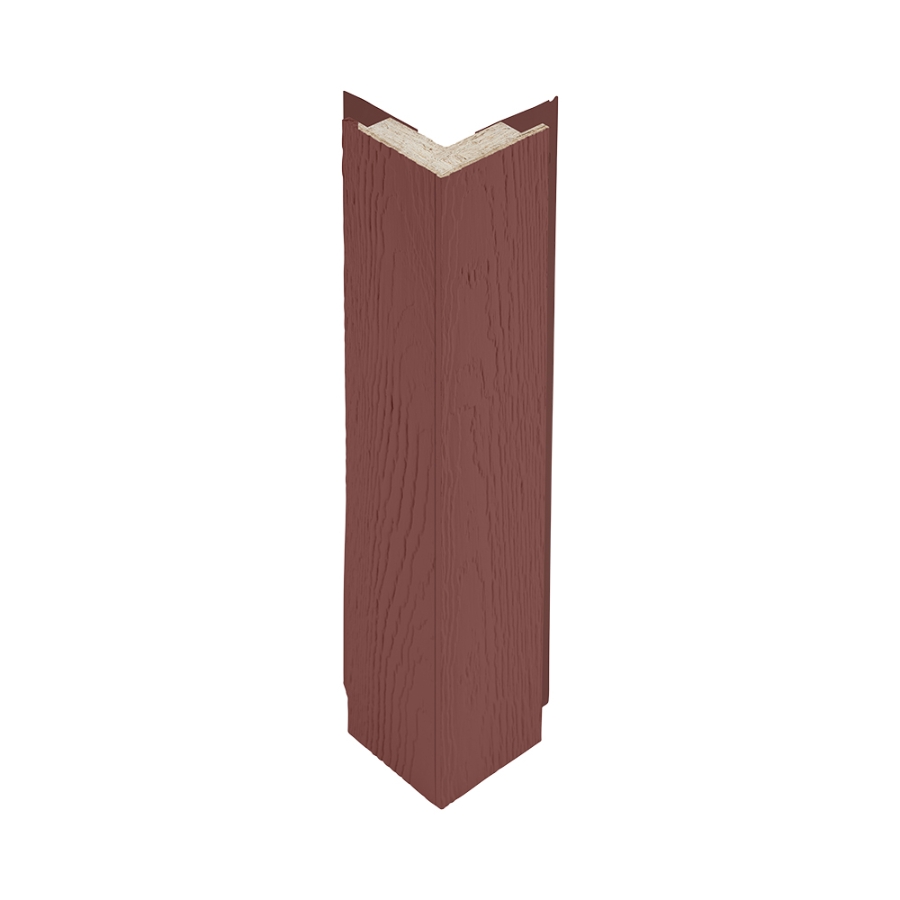
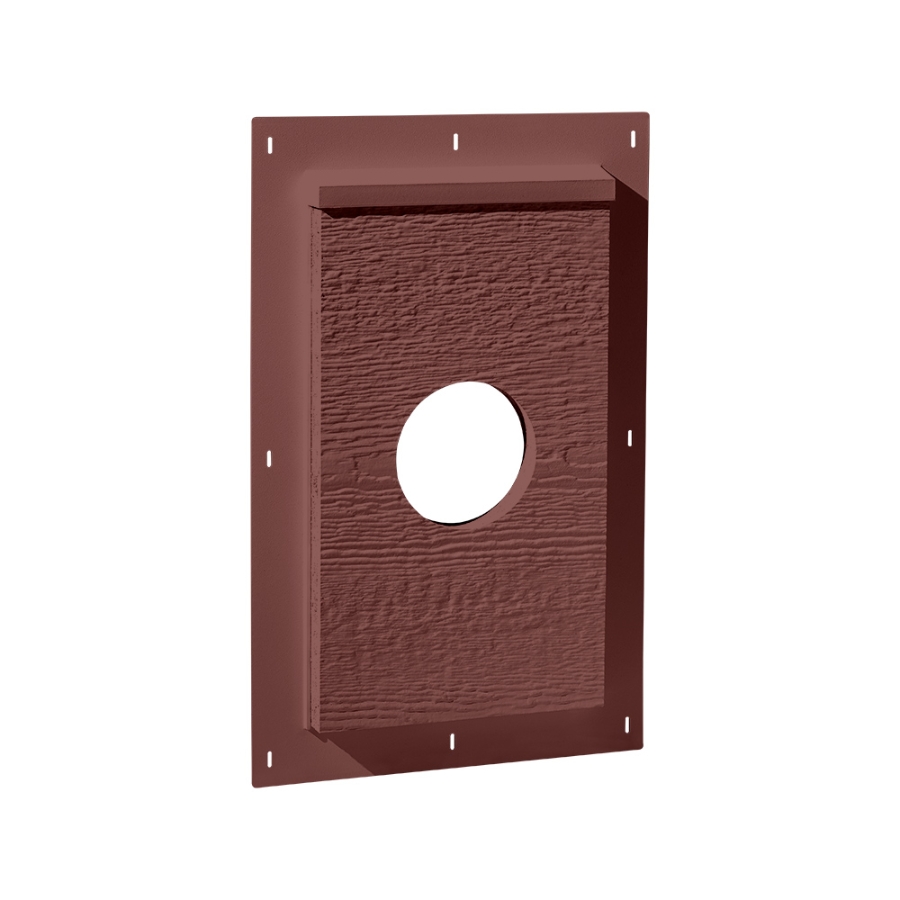
You may choose to add trim, decorative accents, vinyl carpentry, or stone veneer to your home. These additions can help to craft a cohesive and personalized look, though the additional materials and labor will bring added costs.


What Siding Materials Are Best in Michigan? And How Much Do They Cost?
Vinyl, composite, and (engineered) wood are common siding materials in Michigan. Aluminum or other metal siding may also be used, though it isn’t as common in the area as other options.
To help identify which material best suits your home and needs, we made a quick comparison chart of common material types. For a deep dive into door materials and further advice, check out “Vinyl, Composite, Wood, or Metal: Which Siding Material Is Best for Michigan Homes?”
Below is a general cost comparison for common siding materials used in Michigan homes.

T1-11 wood siding is not listed above. While wood siding can be a strong choice if properly treated and prepared, T1-11 siding in particular is not something we recommend. T1-11 is higher maintenance than engineered wood, more susceptible to water damage and pests, and highly flammable.
Steel and aluminum are listed for comparison, though we do not recommend metal siding for Michigan homes. Because aluminum and other metals have a naturally high thermal conductivity, meaning they will feel cold during our state’s harsh winters and allow heat in during the summers.
Metal is also a more costly option, whereas other materials more suited to Michigan’s weather are available for a comparable or lower price.
What an Accurate Siding Quote Should Always Include
In addition to the material cost of the siding you choose, a few other products and services should also be accounted for in your siding quote:
- Soffits, Fascia, and Trim
- Soffits are on the underside of your roof’s overhang. This material connects your roof and the exterior wall, and will likely be replaced as a part of your siding installation. Fascia attaches to the outward-facing part of this overhang and helps to manage water and runoff.
- Trim attaches around windows and doors. While aesthetic, it also helps your siding structure to safely expand and contract as temperatures change.
- Underlayment or Complete House Wrap
- If your current siding is going to be removed, a new layer of housewrap can help to insulate your home and protect it from moisture or water damage.
- Cleanup and/or removal
- If your current siding needs to be removed before new siding can be applied, there may be a removal and/or disposal fee.
- Regardless of whether or not you have siding to be removed, a quote should include the cost of cleanup after the new installation is completed.
- Warranty
- Your siding should be covered by warranties for installation, manufacturing, and/or labor. A good quote will include a warranty—be sure to ask what it covers and for how long.
How to Compare Siding Quotes (And Avoid Overpaying)
The prices you see online are often a range based on the average project size and complexity. While these numbers can be good for getting an estimate of what siding installation will cost, a quote will be the most accurate for your specific needs.
Be sure to get quotes from a few businesses that you trust. When you compare these quotes, don’t look just at price, but at services provided, licenses and certifications, and client reviews.
If you see an estimate that looks too low, check if any necessary costs aren’t included in the price. If the cost is too high, look to be sure you’re only being charged for the terms that you’ve agreed to.
A lot of factors play into what affects your exact cost. If you’d like to start visualizing what your siding might look like and cost, visit our online Siding Pricing Calculator to receive a free estimate.
FAQs About Siding Replacement Costs in Michigan
- Can my siding be repaired (instead of replaced) for a lower cost?
- If the damage is confined to a small area, it may be possible to repair that portion of the siding, rather than replacing all of your siding. This can be a more affordable option than a full replacement. Missing, cracking, peeling, or bent siding can generally be fixed, though color matching may be difficult if your siding is old or faded.
- Does season affect siding costs? / Can siding be installed in the winter?
- Siding can be installed year-round in Michigan. The most popular seasons to install siding are spring, summer, and fall, so material prices may rise to match demand. In the winter months, siding projects may occasionally be delayed by extreme cold, which can make the siding fragile and risk breakage during installation.
- Will new siding lower my energy bills?
- While siding no longer qualifies for energy rebates in Michigan, new siding can still improve the energy efficiency of your home. When properly installed, siding helps to insulate your house, which keeps heat in during the winter and cool air during the summer.
- Can I save money and replace my siding myself?
- We don’t recommend a DIY siding project. Without proper installation, even the highest-quality products can fail, leak, or trap moisture. Even something as simple as hammering nails in too hard or too softly can cause problems. Hiring a professional means your siding is installed with experience and likely protected by a warranty.
How to Pick the Right Siding Material
With so many siding options available, it can feel overwhelming at first to pick just one or two. But by taking an education-first approach, you can learn which option(s) will be the best fit for you and your home.
Now that you know what drives the price of a siding installation, your next step is to identify which material is right for you.
Keeping in mind that material is a large cost factor, this is an important decision. Our article, “Vinyl, Composite, Wood, or Metal: Which Siding Material Is Best for Michigan Homes?”, will help you get one step closer to making the right decision.