






Fiberglass, Steel, or Wood Entry Doors: Which Material Is Best for Michigan Homes?
May 08, 2026 | By Pat Ward

How do you determine what the best entry door material is for you? At C&L Ward, we’ve helped hundreds of clients who are asking the same question and are happy to discuss why each could be right (or wrong!) for you.
This article is simply a breakdown of common materials, to answer frequently asked questions, and weigh the pros and cons of fiberglass, wood, and steel entry doors. By the end, you’ll know exactly which entry door material makes the most sense for your home and why.
An entry door is a door that leads into your home and is not a patio door. When people think of an entry door, they usually think of a front entry door. This is the main door into your home, often a single door or a pair of matching doors. Typically, this door is made of fiberglass or wood.
You could also have a side entry door, often located in or near your garage. This door may be made of steel, which offers better fire resistance. This is different from a patio door, which leads directly to a backyard or porch.
This is not a comparison of brands, installation experiences, or providers. You can decide ‘who’ might be installing your door later. Right now, let’s focus on understanding what your options are.
Table of Contents
What Different Entry Door Materials are There?
A few different materials may be recommended depending on where your entry door is located.
An exterior entry door, such as one on a front porch, should be well-insulated. Fiberglass is often a strong option for exterior-facing doors because of its insulation and durability. You may also consider a wood door, though these require more maintenance and are more susceptible to warping or rotting.
An entry door connected to an enclosed porch or sun-room, however, may not need as much weatherproofing. A wood door might fare better here, or you may still opt for fiberglass if the area is not well-sealed.
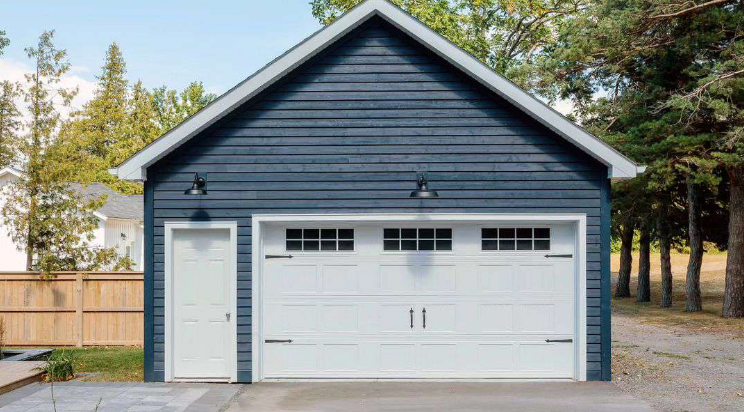
An entry door that connects your home and an enclosed garage may also not need as much weatherproofing, but may benefit from fire resistance. For these cases, we recommend using a steel door.
What Do New Fiberglass, Steel, and Wood Entry Doors Cost?
- Fiberglass entry door cost:
- Approximately $5,000 per door, including finishing, framing, and installation. Cost varies depending on the quantity of glass.
- Fiberglass doors are often less costly than their wooden counterparts. Wood is an expensive material, and by using less wood and more of other insulators, fiberglass helps to reduce that cost.
- Wood entry door cost:
- Approximately $7,000 per door, including finishing, framing, and installation.
- If properly cared for, wood doors can last for about 30 years. If not maintained, wood doors may deteriorate in as little as 10 years. [1]
- Steel entry door cost:
- Approximately $4,000 per door, including finishing, framing, and installation.
- Steel doors are more prone to scratches and dents, but can last from 30 to 100 years with little maintenance. Cost will vary depending on the steel used, ranging from 26-gauge to 16-gauge. A lower number is indicative of a dense door, which uses more advanced materials and therefore comes with a higher price tag. [2]
What Type Of Maintenance Is Required for Each Type of Entry Door?
- Fiberglass entry door maintenance:
- Fiberglass doors are often painted or treated with a polyurethane or acrylic topcoat. This topcoat should be reapplied every two years, or more frequently if the door is not under an overhang and exposed to direct sunlight. [3]
- Wood entry door maintenance:
- Like wood windows, wood doors require slightly more maintenance than other materials. The cleaning process is similar: wood should be dusted with a soft rag and cleaned with a mild detergent or soapy water. In addition, the wood should be waxed or polished in accordance with the manufacturer’s recommendation. [4]
- Steel entry door maintenance:
- Steel doors can be cleaned with mild soap and water and a soft cloth. Steel doors are more prone to chips and scratches and may need to be repainted or touched up now and then. [5]
Note: Regardless of material, an entry door should not be power-washed, especially if the door contains glass. Instead, clean the door by hand with a mild detergent or soapy water and a soft rag. After, be sure to dry the door with a clean rag.
In general, wood requires the most maintenance, fiberglass requires moderate upkeep, and steel requires the least.
What’s The Lifespan Of Each Entry Door Material in Cold Climates?
- Fiberglass entry door lifespan:
- Fiberglass doors usually last 30 to 50 years with minimal maintenance, though they can last 70 or more years. [6]
- These doors are often wood or composite frames, filled with an insulating foam, and sealed inside a fiberglass exterior. This makes them excellent insulators and resistant to warping, cracking, or rotting—an essential feature in Michigan’s four-season climate.
- Wood entry door lifespan:
- Wood doors require more maintenance, but can last up to 60 years or more with proper care. On average, these doors typically last 20 to 40 years. If neglected, however, the wood may warp or rot, shortening its lifespan.
- Steel entry door lifespan:
- Steel doors can last very long, up to 100 years. However, humidity can cause them to rust sooner, and they are also prone to dents. Living near a large body of water can cause steel doors to deteriorate faster. On average, they last at least 30 years.
With proper care, fiberglass doors can last 50 to 70 years, wood doors can last 60 or more, and steel doors can endure up to 100 years. If not taken care of, however, all these materials can fail and will need to be replaced again in 20 or 30 years.
What are Common Myths About Fiberglass, Wood, and Steel Entry Doors?
- Fiberglass entry door myths:
- “All fiberglass doors are the same.” This idea is far from true. Like different woods have different strengths, different fiberglass doors also vary from one another. A less-expensive fiberglass door is likely cutting costs in hidden areas: a cheaper foam core, few or no support beams, and weaker fiberglass exteriors that can crack or dent. [7]
- Wood entry door myths:
- “Wood doors are very difficult to maintain.” While they may require more maintenance than a steel door, wood doors are still relatively easy to care for, so long as you’re able and equipped to do the task. Some wood doors may require a coat of UV protection every 6 months, while others may only need care once every two or three years.
- Steel entry door myths:
- “Steel doors are unattractive and can not be customized.” While some steel doors may not match your personal aesthetic, many residential steel doors can be customized! Some manufacturers even offer wood-like textures to make your steel door fit your vision.
What Are the Potential Drawbacks of Fiberglass, Wood, and Steel Entry Doors?
- Fiberglass entry doors:
- While fiberglass is designed to be more weather-resistant and require less maintenance, they still require some care. Direct sunlight can cause fiberglass doors to fade over time, which some homeowners may decide to address with sanding and repainting.
- Wood entry doors:
- Because of their natural fibers, wood doors are more susceptible to moisture-related issues, including rot, warping, and swelling. Regularly maintaining wood doors helps prevent drying and better protects them from UV rays, reducing the risk of damage.
- Steel entry doors:
- Steel doors are often not as good at insulating in cold climates. This means, in places like Michigan with harsh winters, heat can escape your home, making steel doors less energy-efficient. They may be more affordable up front, but the cost of energy loss will add up over time.
When Is an Entry Door Material the Wrong Fit for Your Home?
- Fiberglass entry doors:
- If your entry door is not exterior-facing, a fiberglass door is likely more expensive and more durable than you need. A fire-rated steel door, for example, may be a better (and less expensive) fit.
- Wood entry doors:
- If your door is in an uncovered area or an area prone to puddles of water, wood doors are likely not the best fit. Wood doors may also not be the best choice if you dislike the maintenance required to care for them.
- Steel entry doors:
- If the door is an exterior-facing entrance to your home (it leads directly outside, with no additional doors to follow), a steel door is likely not the best choice for you. In addition to losing heat, it will be more exposed to the elements, where it is likely to be scratched or dented.

Exterior-facing entry door
Interior-facing entry door
In many cases, choosing the wrong material for your environment is what leads to regret, not the material itself.
When Are Fiberglass, Wood, and Steel Entry Doors a Great Fit For You?
- Fiberglass entry doors:
- If your exterior-facing entry door is uncovered or in an area that sees a good amount of water, fiberglass is likely the material for you. If you want a lower maintenance option and potential energy rebates, fiberglass may be the right choice.
- Wood entry doors:
- If you value the look of real wood, your door is protected by an awning or other shelter, and you don’t mind a little more upkeep, wood windows may be the best choice for you. Especially if you reside in an older home, wood doors can help to preserve charm and provide a custom, timeless look.
- Steel entry doors:
- If you have an entry door that connects to a sealed area, such as a garage, steel doors can be great for the cost and the fire-resistance that they offer, providing an additional layer of protection to your home.
Quick Comparison Chart: Fiberglass vs. Wood vs. Steel Entry Doors
Each material performs well in the right scenario. The key is matching the material to your home’s conditions and your priorities.
To help quickly identify and compare key considerations, we’ve created this Entry Door Material Comparison chart:

How to Research Price and What Drives Materials Costs
Now that you’ve read about the pros and cons of fiberglass, wood, and steel entry doors, you’re one step closer to making a confident, informed decision.
Before comparing brands or contacting a provider, take a moment to assess what matters most to you—cost, appearance, durability, or upkeep. Then, take a look at our article, “What’s The True Cost of Exterior Doors in Michigan for 2026?” if you’d like to learn more about pricing and what drives the cost of materials.
Still not sure? We’re happy to walk you through it. With over 50 years of experience helping Michigan homeowners find the right home solutions, our team can help you make a decision you’ll feel great about—whether or not you choose to work with us.
Explore styles, ask questions, or request a free consultation with one of our trusted experts.